Thermo-reflective building systems that reduce heat load, protect structures and deliver measurable performance.




What sets us apart
Thermo-reflective building systems that reduce heat load, protect structures and deliver measurable performance.
Thermo-reflective building systems that reduce heat load, protect structures and deliver measurable performance.
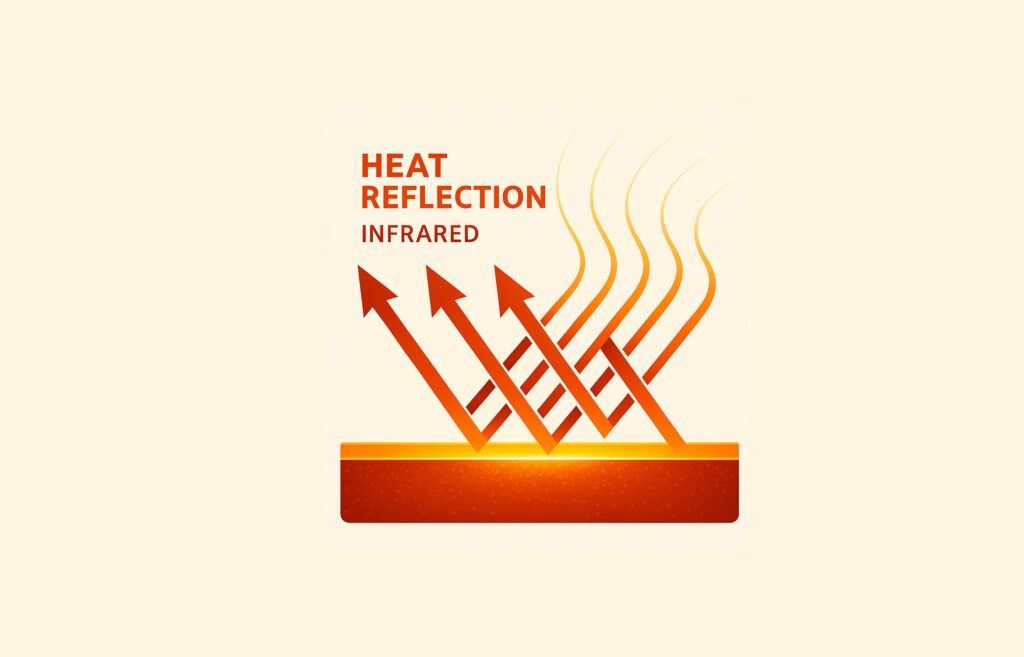
NOVERA is based on controlled infrared reflection. Approximately 55–59% of solar energy lies within the infrared spectrum, which is the primary source of heat transfer into buildings. Conventional coatings mainly reflect visible light, while allowing thermal radiation to penetrate the structure. NOVERA systems operate across the infrared spectrum (NIR, MIR, FIR), reflecting heat before it enters the building envelope. This leads to: significant reduction of surface temperature reduced thermal stress on materials stable and controlled thermal behaviour
The technology is based on more than 40 years of development by Ing. Aloizy. Originally engineered for demanding industrial and specialised applications, it has been adapted for building envelopes requiring long-term reliability. Today, NOVERA is applied across residential, commercial and industrial projects in Europe and high-temperature regions worldwide.
NOVERA systems are tested and validated through: infrared thermography thermal cycling and UV exposure salt spray and environmental resistance testing long-term monitoring under real operating conditions Testing is conducted in cooperation with independent laboratories and research institutions.
Real applications demonstrate: surface temperature reduction up to 40 °C reduced cooling demand stabilised structural performance extended service life of roofing and façade systems Infrared measurements confirm clear and repeatable differences between treated and untreated surfaces.
NOVERA is a layered system, not a single product. It consists of: surface preparation (Cleaner) adhesion layer (PNT) structural reinforcement (Spider) waterproofing layer (HydroRepair) thermo-reflective layer (Reflex / Exterior / Interior) Each layer has a defined function within the system. This ensures consistent application, controlled performance and long-term reliability.
NOVERA delivers innovative technology that helps reduce building overheating.
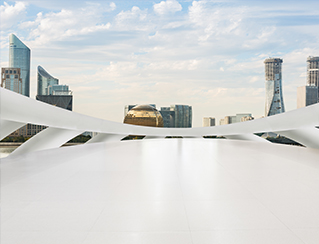
High-performance
thermo-reflective membrane SRI 107:
Reflects infrared radiation and reduces roof thermal load by up to −43 °C
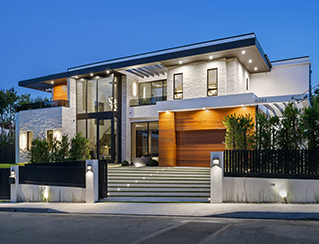
Thermo-active façade system:
Thermo-reflective exterior render with vapour-permeable and hydrophobic protection Reduces façade thermal load and stabilises indoor climate
Interior thermal insulation coating:
Active surface protection for interior walls – reflects heat back into the room and reduces thermal losses Vapour-permeable thermo-reflective interior coating with antibacterial properties
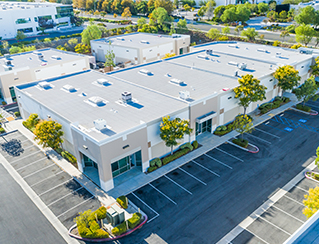
Waterproofing solutions:
Highly elastic two-component waterproofing membrane – the base layer of NOVERA systems Waterproof protection with resistance up to a 25 m water column for structural sealing and long-term durability

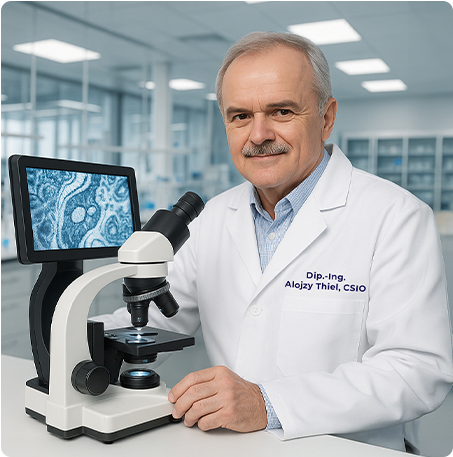
A world-class scientific authority responsible for transferring advanced military technologies into civilian applications
NOVERA technology is built on more than 40 years of research and development led by Dip.-Ing. Alojzy Thiel in microsphere-based material systems designed for extreme operating conditions.
His work focuses on controlled emissivity, infrared reflection and the thermal behaviour of multilayer structures.
His work defines the technical foundation of the NOVERA system and ensures its performance, reliability and long-term stability in real-world conditions.
NOVERA delivers innovative technology that helps reduce building overheating.
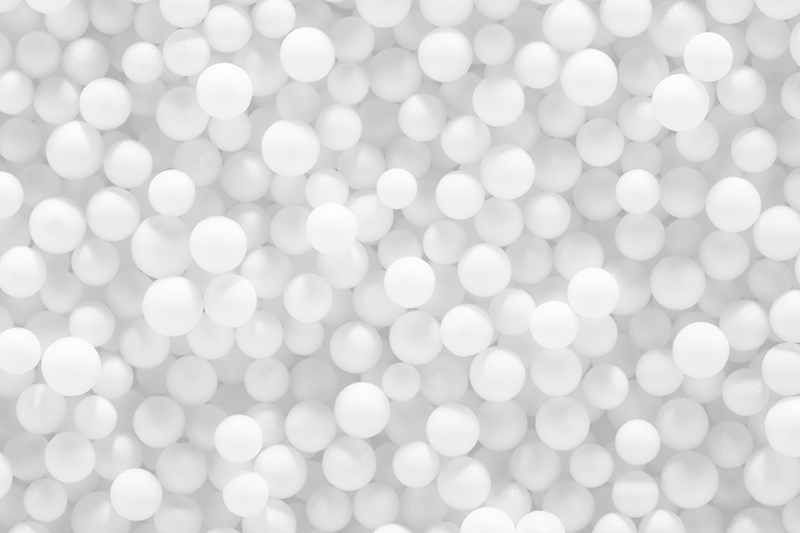
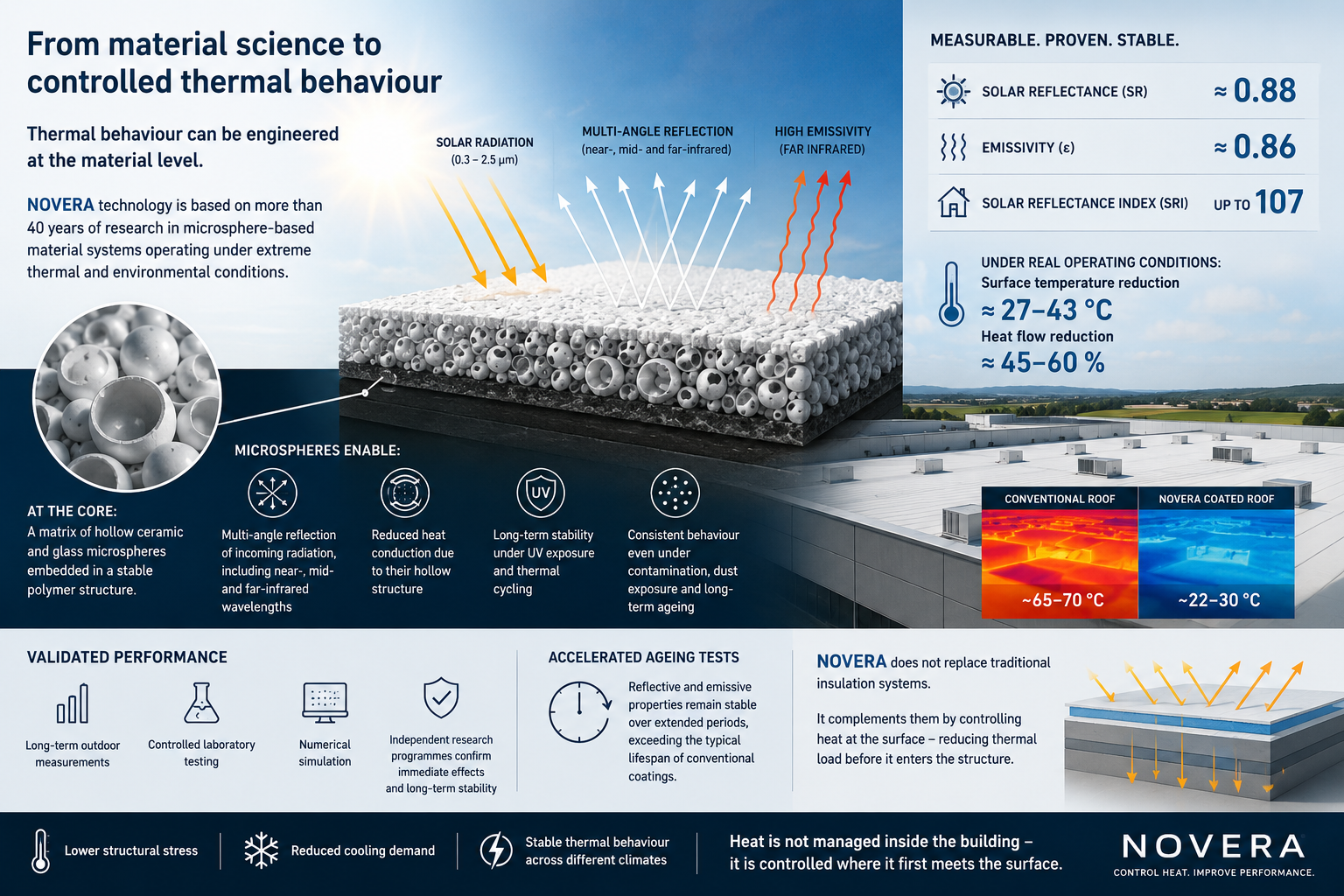
NOVERA is based on a dense matrix of engineered ceramic microspheres integrated into a thin functional layer.
These microspheres reflect a substantial portion of infrared radiation before it enters the building structure.
Under real operating conditions, this results in a surface temperature reduction of approximately 27–43 °C, while the underlying structure remains thermally stable and exposed to significantly lower thermal stress.
Approximately 55–59% of total solar energy is carried by infrared radiation, not visible light. Conventional coatings primarily reflect visible light but allow a significant portion of heat to penetrate into the structure. NOVERA operates across the infrared spectrum (NIR, MIR, FIR), directly addressing the dominant source of thermal load.
By limiting heat penetration at the surface, NOVERA reduces thermal energy entering the building envelope. This leads to: - lower internal temperatures - reduced thermal gradients - significantly lower mechanical stress The result is a more stable and predictable thermal behaviour of the structure.
Developed in Europe and engineered for demanding environments, NOVERA performs reliably in regions exposed to extreme heat, intense solar radiation, dust and humidity. In climates where roof surface temperatures regularly exceed 80 °C, the system maintains stable physical properties and consistent long-term performance.
Approximately 50–59% of total solar energy lies within the infrared spectrum, rather than within visible light. While conventional surface coatings primarily reflect visible radiation, NOVERA operates across the near-, mid- and far-infrared bands (NIR, MIR and FIR), directly addressing the dominant source of thermal load. This physical effect remains stable even in polluted, dusty or urban environments.
Through the combination of active infrared reflection, controlled thermal behaviour and high material resilience, NOVERA delivers long-term, measurable and predictable performance across urban, industrial and extreme climatic conditions.

NOVERA technology results from more than 40 years of applied research in microsphere-based material systems and thermal behaviour under real operating conditions.
The system is continuously tested, measured and validated to ensure consistent and repeatable performance.
At NOVERA Lab and in cooperation with independent institutions, validation includes:
All results are verified under real-world conditions.
Independent measurements on real buildings confirm consistent surface temperature reductions of approximately 27–43 °C under operational conditions.
Monitored buildings show reductions in cooling demand in the range of 25–40%, confirming the direct impact of infrared reflection on energy consumption.
After simulated long-term exposure to extreme environmental conditions, the system retains its reflective performance and physical stability. This confirms long-term durability beyond conventional coating systems.
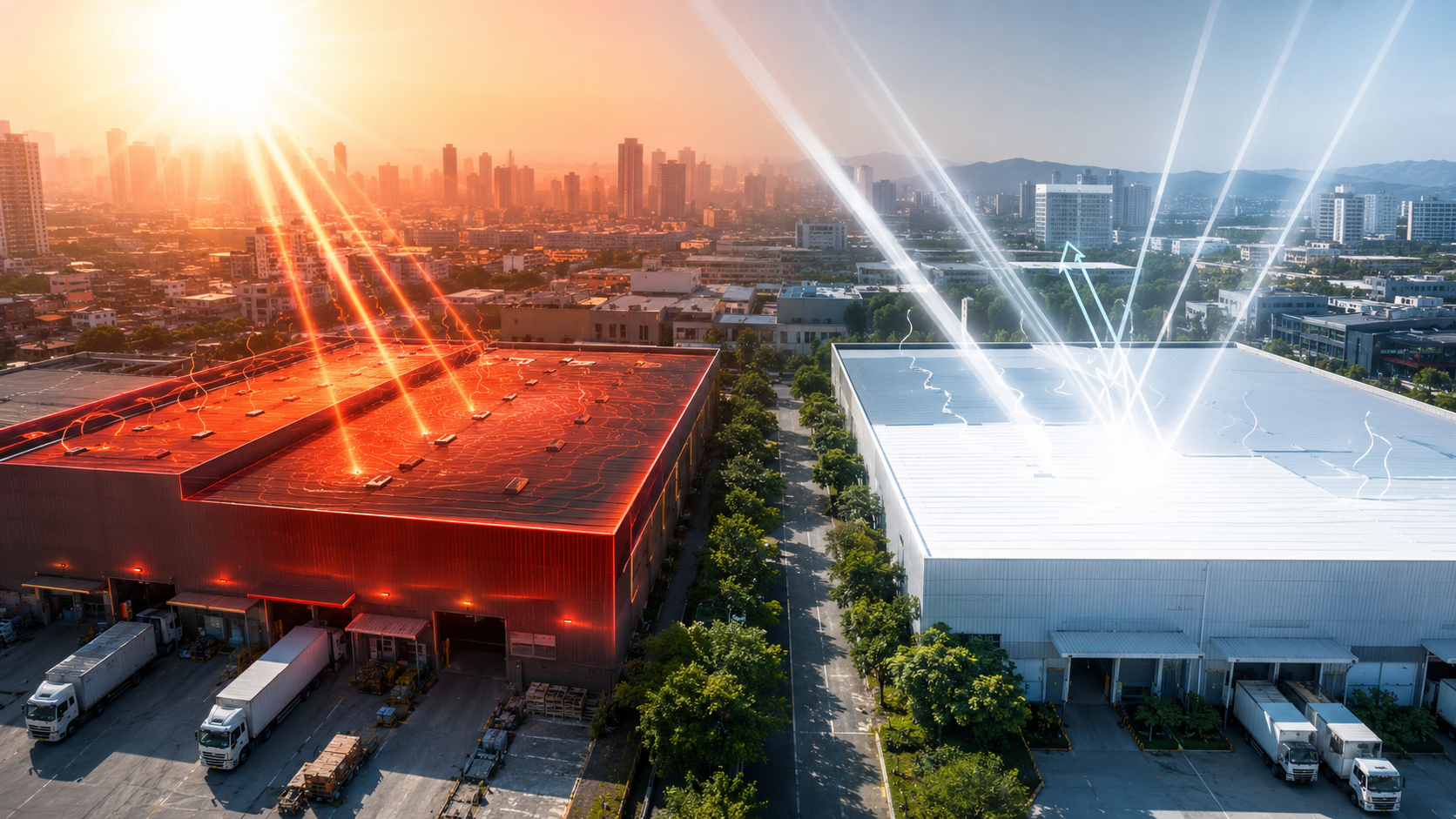
Infrared thermography provides direct visual confirmation of system performance. Treated roofs and façades consistently show significantly lower surface temperatures compared to untreated areas. This difference is clearly visible, measurable and repeatable across multiple projects.
NOVERA technology is applied on large-scale surfaces such as: airports railway stations stadiums logistics centres At this scale, the system demonstrates its ability to measurably reduce heat load across large urban surfaces.
NOVERA reduces heat load at the building surface, which directly lowers energy demand for cooling and reduces stress on electrical infrastructure.
Environmental impact is a direct result of controlled thermal behaviour — not an added feature.
During periods of high ambient temperatures, NOVERA contributes to a measurable reduction in cooling demand under peak load conditions.
This results in:
lower energy consumption
reduced CO₂ emissions
improved grid stability
lower operational costs
The effect is scalable from individual buildings to large urban areas.
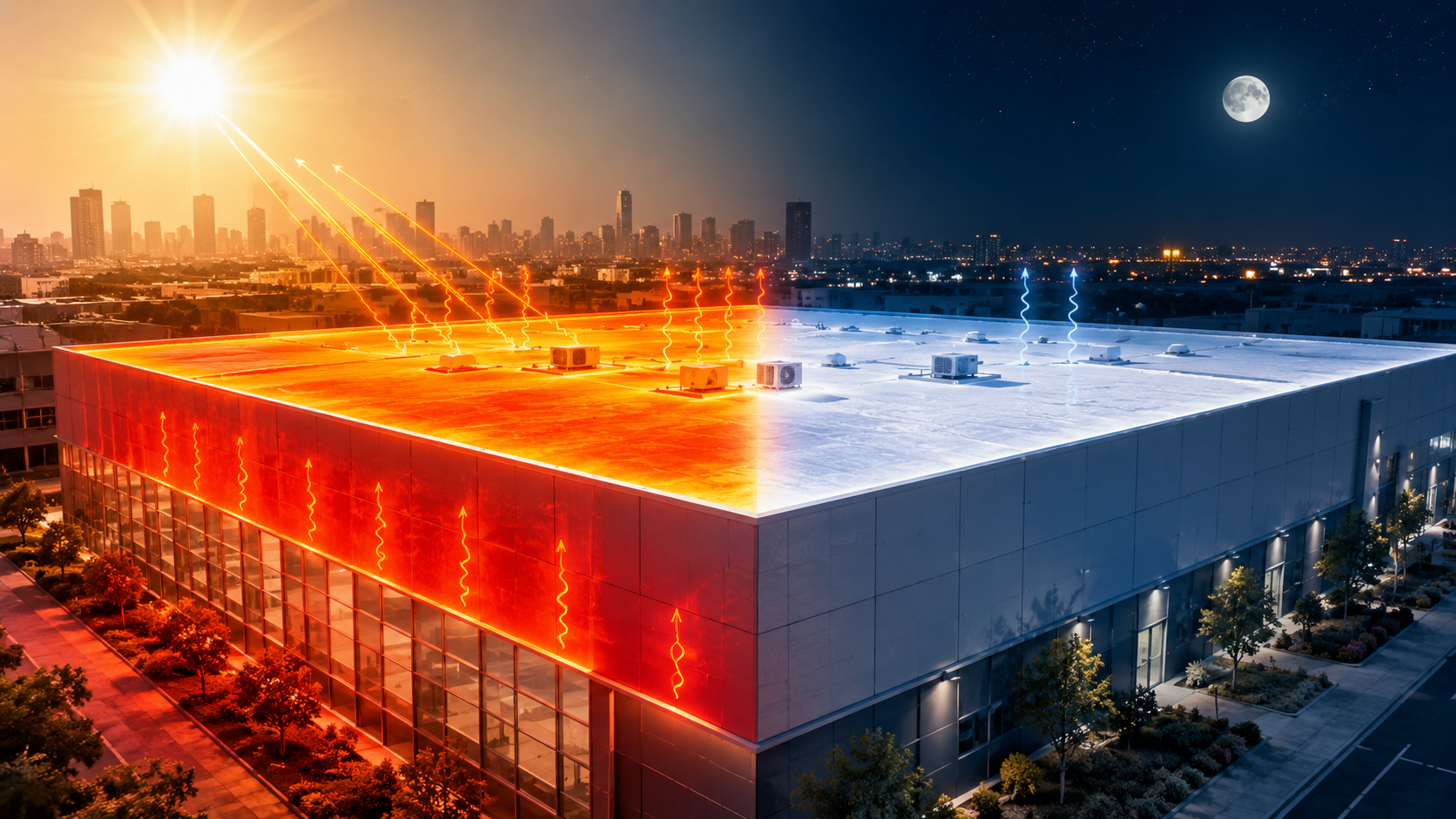
Urban surfaces absorb and store large amounts of solar energy, contributing to heat accumulation during the day and delayed heat release at night.
By applying NOVERA, these surfaces actively reduce heat absorption at the source.
This results in:
lower surface temperatures
reduced heat storage
lower night-time heat release
The overall effect is a measurable improvement in urban thermal balance and microclimate stability.
NOVERA is developed in accordance with relevant European EN / ETAG standards and is based on established scientific methodologies with measurable performance parameters.
NOVERA REFLEX achieves an SRI value of up to 107 under standardised test conditions (ASTM E1980), confirming high solar reflectance and effective reduction of heat load at the surface.
Key performance parameters are determined in accordance with recognised methodologies, including:
solar reflectance (ASTM E903)
emissivity (ASTM C1371)
Solar Reflectance Index (ASTM E1980)
Fire classification and system behaviour are evaluated according to relevant European standards for roofing systems.
All values are based on laboratory testing and verified under real operating conditions.
NOVERA systems are designed to meet regulatory and technical requirements across different climatic regions, including high-temperature environments. Certification processes for selected international markets are aligned with local standards and large-scale application requirements.
NOVERA systems control heat at the surface and deliver measurable performance across residential, commercial and industrial buildings.
Overheating directly affects living comfort — especially in roofs, attics and sun-exposed façades.
NOVERA reduces heat penetration, stabilises indoor temperatures and protects building materials over time.
Typical applications
Large roof areas and continuous operation create high thermal loads and energy demand.
NOVERA reduces cooling demand, stabilises internal conditions and protects building envelopes under long-term exposure.
Typical applications
Extreme environments require materials that perform under thermal and mechanical stress.
NOVERA reduces surface temperatures, protects structures and stabilises internal conditions in demanding operations.
Typical applications
Smart building cooling solutions for cities and industry.
NOVERA is a European science-driven brand focused on protecting buildings from heat. We combine materials science, radiation physics, and architectural practice to help cities withstand rising temperatures.
The roots of the technology trace back to the research of Ing. Aloizy, who spent decades developing ceramic microspheres for extreme industrial applications. From this foundation, today’s NOVERA was created—a system designed to protect homes, roofs, and façades.
We develop high-performance reflective coatings that reduce surface temperatures, stabilize structures, and lower energy consumption. The technology can cool surfaces by up to 30 °C and reduce cooling demand by 25–40%.
Every product undergoes UV testing, salt spray exposure, thermal shock testing, infrared imaging, and long-term monitoring. Our science is built on measurable data—not marketing claims.
NOVERA serves European architecture while being engineered for the extreme conditions of the GCC. From villas and residential buildings to airports, sports arenas, and industrial complexes.
We envision a world where buildings do not increase urban temperatures, but actively help reduce them—where technology protects people, saves energy, and extends the lifespan of structures.
Smart building cooling solutions for cities and industry.
Once heat can be controlled at the surface, its impact extends beyond
Following the question of surface control, the next step is understanding how
Building performance is often evaluated through energy consumption. While energy efficiency remains